
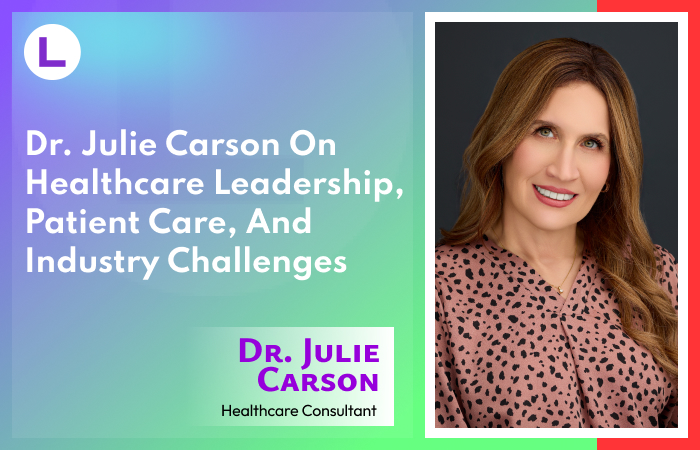
In today’s rapidly evolving healthcare landscape, strong leadership, operational efficiency, and compassionate patient care have become more important than ever. Healthcare organizations continue to face growing challenges related to staffing, patient flow, communication, and quality improvement, making experienced leadership essential to delivering positive outcomes. In this interview, Dr. Julie Carson shares insights from her journey in healthcare leadership and consulting, her passion for cardiology and administration, and her perspective on the future of healthcare. Through her experience and expertise, she offers valuable lessons on leadership, adaptability, and creating healthcare environments that support both patients and professionals.
A Journey in Healthcare Leadership and Consulting
We were interested in learning more about Dr. Julie Carson’s professional background, so we asked her to briefly introduce herself and share her journey into healthcare leadership and consulting.
Dr. Julie Carson: I am a healthcare leader with experience in nursing leadership, operations, patient flow, staffing, and quality improvement. Throughout my career, I have focused on supporting frontline teams, improving patient care outcomes, and creating collaborative work environments that promote both accountability and compassion. My journey into healthcare leadership began at the bedside, where I developed a strong passion for patient advocacy and supporting staff through the challenges of daily healthcare operations. Over time, I moved into leadership roles that allowed me to work on process improvement, throughput, staffing strategies, patient experience, and interdisciplinary collaboration. My interest in consulting grew from recognizing the importance of operational efficiency, communication, and leadership development in delivering safe, high-quality patient care. I enjoy helping teams identify opportunities for improvement, strengthen workflows, and build cultures that support both patients and healthcare professionals.
A Passion for Cardiology and Healthcare Leadership
We were curious about the inspiration behind Dr. Julie Carson’s career path, so we asked her what motivated her to specialize in cardiology and healthcare administration.
Dr. Julie Carson: I was inspired to specialize in cardiology because of the complexity of cardiac care and the opportunity to make a significant impact on patients during some of the most critical moments in their lives. Cardiology requires strong clinical judgment, teamwork, and the ability to respond quickly, which drew me to the specialty early in my career. I found the field both challenging and rewarding, especially when seeing patients recover and improve through coordinated, high-quality care.
My interest in healthcare administration developed naturally as I gained experience working with interdisciplinary teams and became more involved in operational and leadership responsibilities. I recognized that strong leadership, communication, staffing support, and efficient processes directly affect patient outcomes and staff satisfaction. This motivated me to pursue healthcare administration so I could contribute not only at the bedside, but also at a systems level by helping improve workflow, patient experience, team collaboration, and overall quality of care.
Addressing the Challenges in Modern Healthcare
We were interested in understanding the current healthcare landscape, so we asked Dr. Julie Carson what she believes are the biggest challenges healthcare organizations face in maintaining quality patient care.
Dr. Julie Carson: Healthcare organizations face several persistent challenges in maintaining high-quality patient care, many of which are interconnected. One of the biggest is staffing shortages and workforce burnout. When units are short-staffed or staff are fatigued, it can affect response times, communication, and overall consistency of care.
Another major challenge is patient throughput and capacity management. High census, boarding in the emergency department, and delays in admissions or discharges can create bottlenecks that ripple across the entire system, impacting safety, satisfaction, and efficiency.
Communication gaps between departments and disciplines also remain a significant issue. When information isn’t transferred clearly or in a timely manner, it can lead to delays in treatment, duplicated work, or missed opportunities for intervention.
The Foundation of Strong Healthcare Leadership
We were interested in Dr. Julie Carson’s perspective on leadership, so we asked her what qualities she believes are essential for becoming an effective healthcare leader.
Dr. Julie Carson: Emotional intelligence is another key trait. Healthcare leaders need to be able to recognize stress, respond with empathy, and maintain professionalism in high-pressure situations while still holding teams accountable.
Strong decision-making and critical thinking are also essential. Leaders are often required to make timely decisions with incomplete information, especially in fast-paced clinical environments, while considering both patient safety and operational impact.
Adaptability is equally important, as healthcare environments are constantly changing due to patient needs, staffing levels, and regulatory requirements. Effective leaders remain flexible while maintaining focus on priorities and outcomes.
Valuable Lessons from the Healthcare Industry
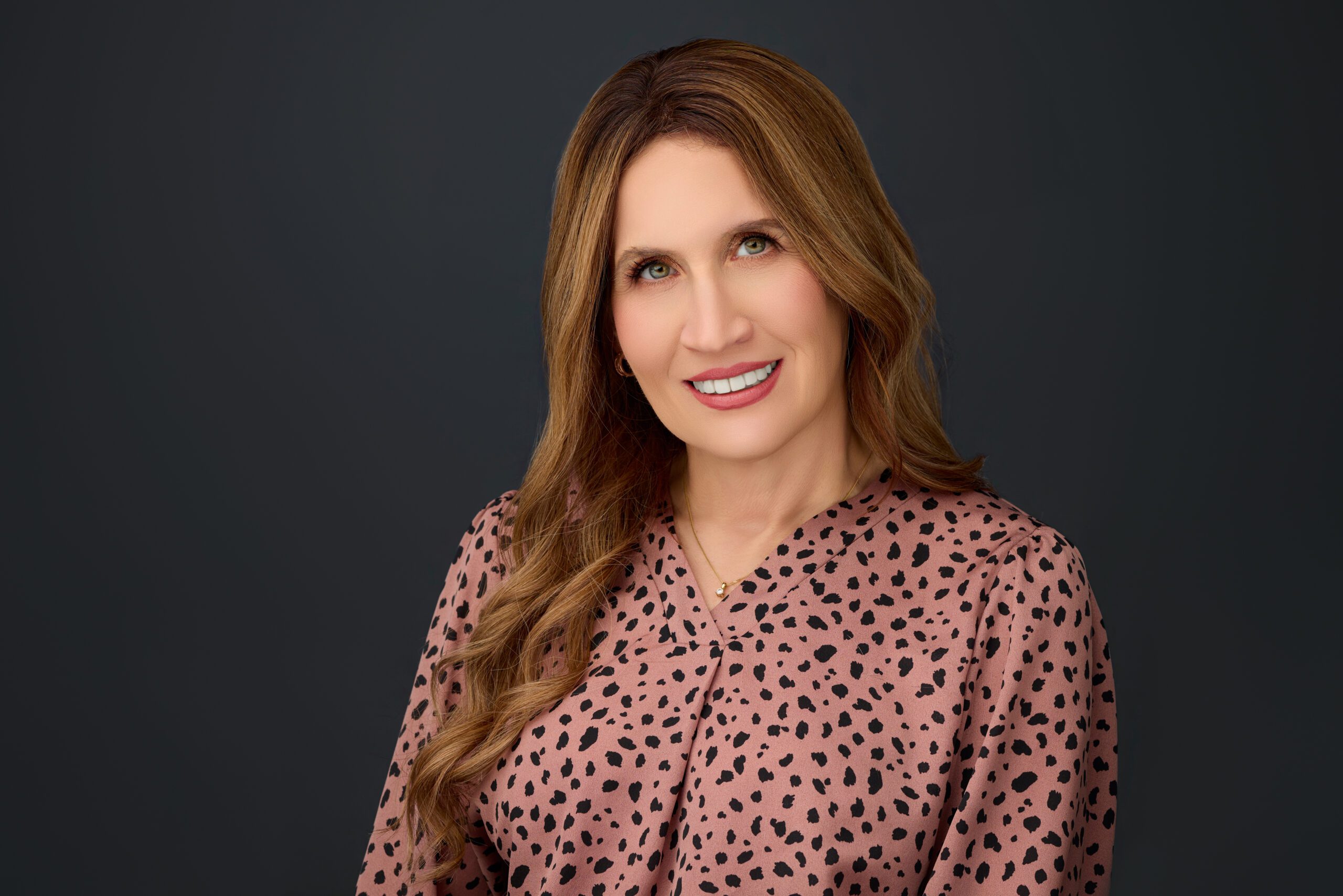
We were curious about the insights gained throughout her career, so we asked Dr. Julie Carson what lessons she has learned from working with healthcare organizations across the nation.
Dr. Julie Carson: One of the strongest lessons is that while systems and resources may vary, the core challenges are often the same—staffing pressures, patient flow constraints, communication breakdowns, and the ongoing need to balance quality, safety, and efficiency. What differs is how each organization approaches these challenges.
Another key lesson is the importance of leadership culture. Organizations with strong, visible, and supportive leadership tend to have better staff engagement, stronger teamwork, and more sustainable improvement efforts. When leaders are present on the units and actively listening, it directly impacts morale and patient care outcomes.
Staying Adaptable in a Changing Healthcare Industry
We were interested in how she navigates change in a rapidly evolving field, so we asked Dr. Julie Carson how she stays adaptable in the constantly changing healthcare industry.
Dr. Julie Carson: Staying adaptable in the healthcare industry requires being intentional about continuous learning, staying connected to frontline realities, and remaining open to change even when it is complex or uncomfortable.
One of the key ways I stay adaptable is by keeping up with clinical and operational trends through professional development, industry updates, and collaboration with peers across different organizations. This helps ensure that decisions and recommendations are grounded in current best practices.
A Message for Future Healthcare Leaders
We were interested in Dr. Julie Carson’s perspective on the future of healthcare leadership, so we asked her what message she would like to share with aspiring healthcare leaders and professionals.
Dr. Julie Carson: My message to future healthcare leaders and professionals is to never lose sight of why you entered this field—caring for people at some of their most vulnerable moments.
Healthcare leadership is not only about managing operations or meeting metrics; it is about creating environments where patients receive safe, compassionate, high-quality care and where staff feel supported, respected, and empowered to do their best work.
Stay curious and committed to learning. The healthcare landscape will continue to evolve, and the ability to adapt, think critically, and embrace improvement will be essential to your growth.
Final Thoughts on Healthcare Leadership and Patient Care
Dr. Julie Carson’s journey reflects the importance of compassionate leadership, operational excellence, and continuous growth within the healthcare industry. Through her experience in nursing leadership, cardiology, and healthcare consulting, she highlights the critical role strong leadership plays in improving patient outcomes, supporting healthcare teams, and creating efficient systems of care. Her insights into adaptability, communication, and workforce support offer valuable guidance for both current and future healthcare professionals. As the healthcare landscape continues to evolve, her perspective serves as a reminder that quality patient care will always remain at the center of effective healthcare leadership.
Also Read: