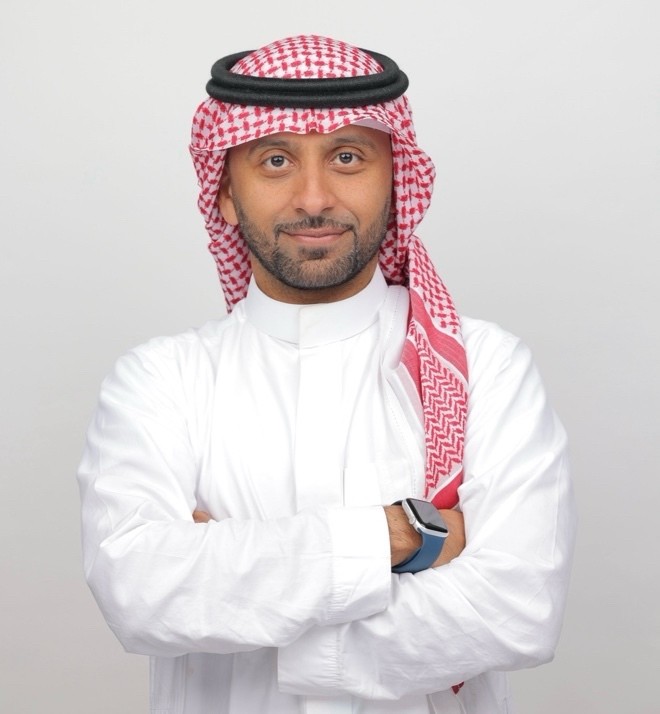
In today’s rapidly evolving business landscape, organizations are increasingly challenged to align human capital strategies with long-term business objectives while navigating complexity, compliance, and continuous change. Abdulelah Bakalka stands out as a forward-thinking HR and GRC professional who brings a strategic, data-driven, and risk-informed approach to workforce development and organizational effectiveness.
As an MCIPD-certified expert currently working within Aloula Aramco Aviation, he combines deep expertise in talent management, organizational development, and governance frameworks to drive sustainable performance in highly regulated environments. His work focuses on building resilient organizations, strengthening workforce capabilities, and ensuring alignment between people strategies and business goals.
In this interview, Abdulelah Bakalka shares insights into his professional journey, the principles that guide his approach to HR strategy, and his perspectives on workforce planning, talent development, and leadership in an increasingly dynamic world.
A Journey in Human Capital and HR Strategy
We were interested in learning more about Abdulelah Bakalka’s professional journey, so we asked him to share insights into his experience in human capital and HR strategy.
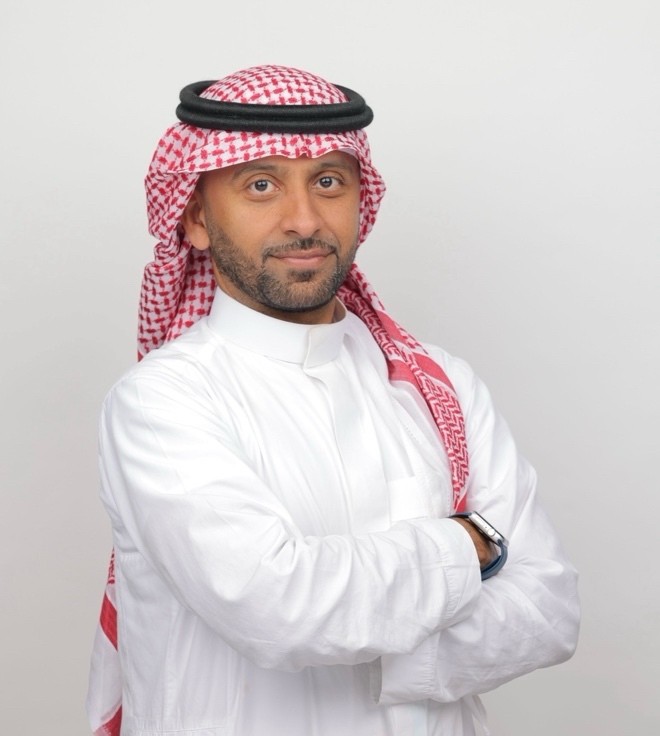
Abdulelah Bakalka: I am Abdulelah Bakalka, an MCIPD-certified HR and GRC professional currently serving within Aloula Aramco Aviation. My career in human capital began in organizational development, where I was actively involved in transformation initiatives and the implementation of HR systems. Over time, I progressed into strategic HR leadership and learning & development, with a focus on building organizational capability, driving operational efficiency, and aligning people strategies with business objectives—particularly within highly regulated and performance-driven aviation environments.
Inspiration Behind Talent Management and Organizational Focus
To understand what shaped his focus, we asked Abdulelah Bakalka what inspired him to specialize in talent management and organizational development.
Abdulelah Bakalka: My specialization was driven by a clear realization that long-term organizational success is fundamentally rooted in how effectively an organization manages and develops its talent. Early exposure to transformation projects highlighted the direct impact of talent strategy and organizational design on performance, culture, and sustainability. This inspired me to focus on building robust talent pipelines and shaping high-performing, resilient organizations.
A Strategic Approach to Workforce Planning
To gain insight into his strategy, we asked Abdulelah Bakalka how he navigates workforce planning in today’s dynamic business environment.
Abdulelah Bakalka: I approach workforce planning as a strategic, data-driven, and risk-informed discipline. It begins with a comprehensive assessment of current workforce capabilities, followed by forecasting future requirements aligned with business strategy. I incorporate scenario planning to address uncertainty and ensure agility. From a GRC perspective, workforce planning must also integrate compliance considerations, operational risk management, and business continuity to ensure resilience in a dynamic environment.
Connecting Talent Growth to Long-Term Goals
To explore his strategic perspective, we asked Abdulelah Bakalka how organizations can align talent development with long-term business goals.
Abdulelah Bakalka: Effective alignment requires embedding talent development within the organization’s strategic framework. Development initiatives should be directly linked to business priorities—whether related to operational excellence, safety, or innovation. I place strong emphasis on governance by integrating development programs with performance management systems and KPIs, ensuring accountability, measurable outcomes, and sustained business impact.
The Role of GRC in HR Decision-Making
We were interested in the intersection of strategy and compliance, so we asked Abdulelah Bakalka how governance, risk, and compliance shape HR decisions.
Abdulelah Bakalka: Governance, risk, and compliance are integral to strategic HR decision-making, particularly in regulated industries. As a GRC professional, I ensure that HR practices are guided by robust governance frameworks, aligned with regulatory requirements, and designed to proactively mitigate risks related to workforce capability, safety, and legal exposure. This approach not only ensures compliance but also reinforces transparency, consistency, and organizational credibility.
Key Challenges in Building a Future-Ready Workforce
To explore current workforce challenges, we asked Abdulelah Bakalka what the biggest obstacles are in building a future-ready workforce.
Abdulelah Bakalka: Organizations today face a complex set of challenges, including rapid technological disruption, evolving skill demands, and intense competition for talent. Retention remains a critical concern, particularly in markets where compensation and benefits vary significantly. Additionally, driving organizational transformation often encounters cultural resistance. A key challenge is balancing the need for innovation with strict compliance requirements, especially in regulated sectors.
Advice for Aspiring HR Leaders
To understand his perspective on leadership, we asked Abdulelah Bakalka what advice he would give to aspiring HR leaders aiming to make a strategic impact.
Abdulelah Bakalka: Aspiring HR leaders must position themselves as strategic business partners rather than functional specialists. This requires a deep understanding of the business, strong analytical and data-driven decision-making capabilities, and the ability to influence stakeholders at all levels. Exposure to governance, risk, and compliance is increasingly essential. Most importantly, a commitment to continuous learning—supported by globally recognized certifications such as MCIPD—will enable HR leaders to remain relevant and impactful in an evolving landscape.
Final Thoughts on Strategic HR Leadership
In conclusion, Abdulelah Bakalka’s insights reflect a modern, strategic vision of HR—one that goes beyond traditional functions to become a critical driver of business success. His emphasis on aligning talent management with organizational goals, integrating governance and risk frameworks, and building future-ready workforces highlights the evolving role of HR in today’s complex environment. As organizations continue to navigate rapid change, his perspective offers a clear roadmap for developing resilient, high-performing teams while maintaining compliance, agility, and long-term sustainability.