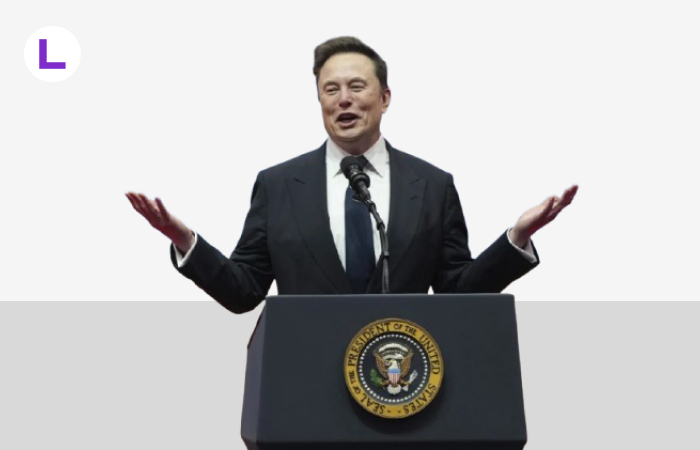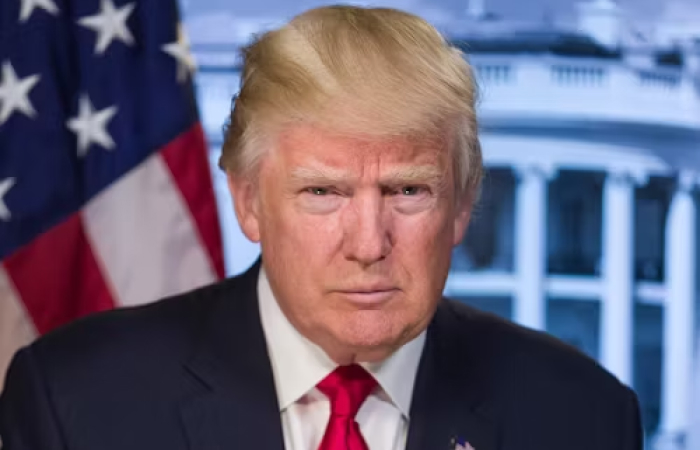
Washington, D.C. — July 4, 2025: Elon Musk has publicly aligned with Senator Rand Paul in denouncing President Donald Trump’s newly passed “One Big Beautiful Bill,” sharply criticizing the legislation’s fiscal impact and policy direction.
Posting on X (formerly Twitter), the Tesla and SpaceX CEO echoed Paul’s concern that the bill is a reckless expansion of government spending. “This bill is not reform—it’s debt slavery,” Musk posted, a phrase that rapidly trended online. His comments represent his first direct response since the legislation passed Congress by a narrow margin and moved to President Trump’s desk for final approval.
The controversial bill combines tax breaks, increased immigration enforcement funding, and major cuts to Medicaid and clean energy programs. While the Trump administration touts it as a victory for economic growth and national security, critics say it severely undermines fiscal responsibility.
According to the nonpartisan Congressional Budget Office (CBO), the legislation is projected to add $3.4 trillion to the national debt—currently standing at $36.2 trillion—over the next decade.
Musk, who has grown increasingly vocal on political and economic issues, expressed particular concern over the bill’s rollback of electric vehicle (EV) incentives and renewable energy funding—critical sectors for Tesla’s growth. These cuts, he argues, jeopardize innovation while bloating the federal deficit.
In recent weeks, the clash between Elon Musk and Donald Trump has intensified, with Trump accusing Musk of benefiting from what he labeled an “Electric Vehicle Mandate.” In a heated post on social media, Trump declared, “I ended the EV rule that pushed unwanted electric cars on Americans—and Musk lost it!”
The feud intensified last month when Tesla’s stock plummeted by $152 billion following Trump’s remarks. Although some value has since been regained, the stock remains below previous levels.
By publicly backing Senator Paul’s stance, Musk joins a growing chorus of conservative and libertarian voices sounding the alarm over what they view as unsustainable fiscal policy. The White House, however, has brushed off the CBO’s projections, labeling the agency as biased and insisting the bill is vital for securing the nation’s long-term prosperity.
With the “One Big Beautiful Bill” poised to reshape federal priorities, debates are mounting over its long-term effects on national debt, energy strategy, and political accountability.